If you’re a millennial with even one Gen Z friend, you already know the internet has changed languages without telling the rest of us. You’ll be scrolling through Instagram at lunch, minding your business, and suddenly you’ll spot a reel of a 22-year-old doing a completely unhinged lip-sync in the office bathroom with sparkly emojis exploding around them. Or your younger cousin will send you a TikTok to ‘explain’ their bad day, except it’s literally just a five-second clip of someone screaming into a pot and somehow, it lands perfectly.
And then there are the moments none of us escape: that ‘SLAY 54 miles‘ billboard on the highway, the political rally edited like a K-pop fan-cam, Wimbledon dropping a South Indian track on their socials like it’s a weekend mood board. You look at all this and think, “How is everyone so unserious?” But that’s the thing — this isn’t unseriousness for the sake of unseriousness. It’s become the internet’s emotional logic.
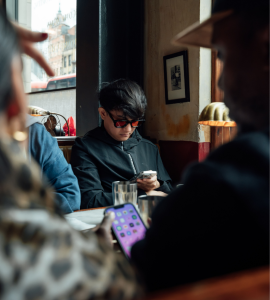
What we often forget is how this tone evolved. Gen Z didn’t stumble into chaos; they were raised within it. Their adolescence unfolded under lockdown. Their college years lived in breakout rooms. Their early adulthood was shaped by climate dread, economic uncertainty, school-shooting drills, political volatility, and a news cycle that never ended. When life feels like one long crisis, humour stops being entertainment and becomes a coping mechanism. Irony becomes the safest way to articulate fear. Absurdity becomes honesty.
Older generations had their own chaos, sure, but they still reached for sincerity when it really mattered. Gen Z doesn’t. To them, sincerity without humour feels exposed. Vulnerable. Slightly unsafe. That’s why, even though their communication style looks unserious from the outside, it’s actually a way of cushioning feelings.
And because they grew up inside the internet rather than around it, this tone isn’t performative. It’s instinctive. Everything overlaps in their feeds — joy, anxiety, memes, tragedies, personal updates — often within the same 10 minutes. Their emotional vocabulary is layered by necessity, not design. If you ask a Gen Z friend how they’re doing, they’ll reply with a meme before they reply with words. They’ll send you existential dread in the form of a reaction GIF. They’ll deliver sincerity sideways.
This is exactly why traditional advertising suddenly feels like it belongs in a museum. Soft lighting, serious copy, slow panning shots — that tone doesn’t translate anymore. Gen Z’s attention responds to pulse, chaos, self-awareness, and cultural references delivered at speed. So brands had to adapt.
Which brings us to the internet’s new favourite genre: audacious, chaotic marketing. Corporate TikToks that behave like theatre kids. Newsrooms quietly slipping memes between headlines. Political campaigns stylised like idol-fan edits with dramatic transitions and unnecessarily emotional backing music.
Take Zohran Mamdani. His posts often look like someone handed a very passionate 19-year-old full creative control: chaotic edits, unmistakable Gen Z humour, deeply sincere messaging wrapped inside playful chaos. It works not because it’s silly but because it’s fluent. It speaks in the rhythm of the generation it’s trying to reach.
And once you understand that, the entire internet starts to make sense. The unserious tone is a cultural fluency test. It’s not “Is this funny?” It’s “Does this feel like someone who lives in the same digital reality as me?” Brands that get this right are welcomed in. Brands that miss the beat get roasted within hours. That’s why meme-marketing agencies — once a punchline, now pull in actual revenue. What surprises people most is that this unseriousness doesn’t weaken the message. It sharpens it. A meme can communicate a political critique faster than a press release. A chaotic reel can get someone to care about an issue they ignored in headline form. A joke becomes a vessel for seriousness, just delivered sideways.
Zoom out, and the shift becomes clear: we’re living through a moment where seriousness no longer holds a monopoly on legitimacy. A generation raised on instability found an entirely new way to express urgency, frustration, hope, and even grief. And now entire industries — from media to politics to public institutions, are adjusting themselves to match that tone.
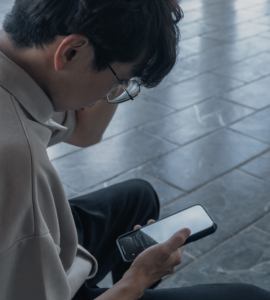
So when you see a billboard that says ‘SLAY 54 miles’, it’s not because transportation departments suddenly discovered camp. It’s because Gen Z’s tone has become the internet’s default. Earnestness alone can’t hold attention anymore — not in this economy, not in this climate, not on this internet.
Marketers love calling this a trend because trends pass. But this isn’t passing. It’s a worldview. It’s a generation looking at a world that often feels absurd and responding in its native language: humour as honesty, chaos as communication, unseriousness as survival.
And maybe that’s the twist, maybe the generation that seems unserious is actually the one being the most real. They’re not pretending, or polishing, or dressing their thoughts up in a corporate tone. They’re saying: the world is overwhelming, but we’re still here, laughing through the panic, making meaning out of noise, and finding a way to stay human through it all.