

There was a time when therapy was a hushed topic, discussed in whispers and hidden behind closed doors. Now, the stigma is beginning to fade. Gen Z grew up in an era where conversations about anxiety, depression, and burnout became normalized. Therapy is now digital intimacy. It has moved from the couch to the screen, and in some cases, your therapist isn’t even human.
A lot of people are turning to AI-driven chatbots for emotional support. Available 24/7, judgment-free, and infinitely patient, these digital therapists fill a gap in traditional mental health care. Support is now easier than ever to access with tools such as cognitive behavioral therapy (CBT), crisis intervention, and mindfulness training at your fingertips.
Mental health care is overloaded, therapy is expensive, and waiting lists are long. With that reality in mind, AI treatment provides instant relief from lunchtime anxiety and midnight worries. But can an algorithm offer the kind of support that people need?
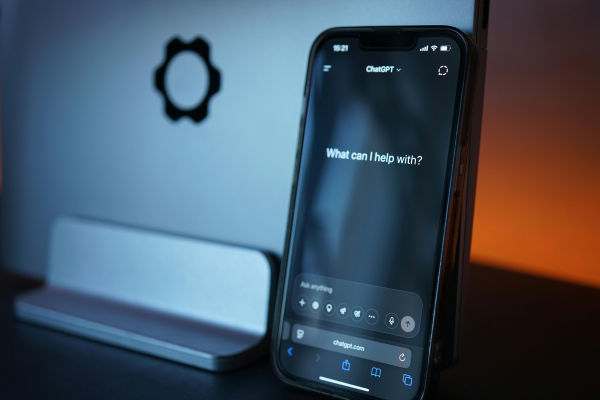
Malvika Fernandes, a Dubai-based psychotherapist in private practise offers a trenchant rebuttal. “A chatbot can never replace a qualified therapist. This is a very complex field with professionals spending decades studying the mind, behaviour, attitudes and cultural contexts that affect clients’ mental health. A chatbot may give overtly positive, soothing responses that may help you feel in control. AI usually gives solution-oriented suggestions. But they won’t be able to offer the nuanced processing work that is required.”
Fernandes goes on to suggest that “You can use ChatGPT or Claude as your first aid when there is no other way out, but it cannot be your first option; however, it can certainly give generic, additional support. Hopefully your first option is a human connection – a friend, a family member, a colleague, a neighbor, a therapist, your pet, even journaling or just sitting with your own thoughts. It can even be somatic practises like dance or pottery or swimming. Only if we don’t have those options available, then yes, we can look to a chatbot for help.”
Is AI able to understand human emotions, or can it just mimic empathy? Even as access to AI therapy grows, there remain risks. Is it possible for chatbots to determine if a user is in a crisis? What happens if they are wrong? After all, AI can never truly respond; it can merely pull from a database of responses.
“Can it help by challenging certain thoughts? Certainly, in small ways as tertiary support, it offers very soothing responses,” explains Fernandes. As someone who has tested these chatbots out, she believes that AI will tell you what you want to hear, not what you need to hear. A Stanford study reports how chatbots can cause ‘delusional spirals’ by validating flawed human beliefs.
Equally importantly, what happens when an app, trained on Western cultural mores that skew towards individualism rather than collective family dynamics, offers mental health advice to a user from the Global South? Context is crucial when it comes to mental health.
But perhaps the biggest question of all is why. Why do we need to turn to chatbots at all? We know that unfettered capitalism pushes populations towards productivity and individualistic success, without interrogating the mental health costs. Meaningful human interaction has plummeted, with a strong individualistic social media taking its place.
Simultaneously, in the Global South, as in the Western world, there is a tremendous push towards online and digital spaces. The irony here is that we are turning towards digital solutions that have likely exacerbated the problems in the first place.
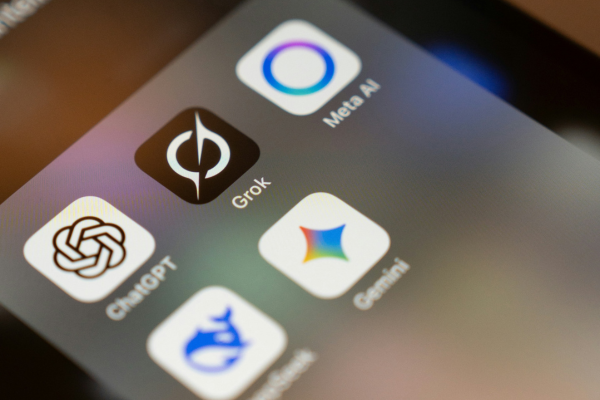
In India, certainly, there is a shortage of trained professionals equipped to handle mental health crises – the data reveals that there is 1 therapist for 10 lakh people in the country. And even when accessible, therapy is expensive, and in some areas, dogged by a strong stigma.
Given these circumstances, chatbots may work as a trial ground for certain digital mental health solutions. There are now niche therapy apps tailored for LGBTQ+ individuals and students, making mental health support more inclusive.
All this is to say of course that AI shouldn’t replace human therapists, although it can certainly play a supporting role. But it is impossible to ignore how it will reshape the ways in which we seek emotional support, ways which we once thought impossible.




Leave a Reply