

It’s everywhere — in your Instagram feed, in shopping apps, on tags sewn into dresses and denim jackets. Sustainable. Ethical. Eco-friendly. These words are fast becoming fashion’s favourite accessories.
But behind the buzzwords, something doesn’t add up.
What does it really mean for a brand to be ‘sustainable’? Who decides that a shirt is ‘ethical’? And in an industry worth over $1.5 trillion globally — built on speed, volume, and low margins — how much of this heartwarming language can we actually trust?

As the world grows more climate-conscious, fashion has scrambled to clean up its image. Consumers are pivoting away from fast, cheap fashion, towards more homegrown, slow-stitched brands. But instead of fixing how their clothes are actually made, many brands have just changed how they talk about them. Words like ‘sustainable’ or ‘conscious’ get thrown around, but it’s often just clever marketing with little behind it. As shoppers, we’re left guessing — trying to make better choices, but unsure what any of it really means.
It’s time to ask: do we really know what we’re wearing?
At its core, sustainable fashion refers to clothing that’s designed, produced, and distributed in a way that minimizes harm to people and the planet. That might include everything from using organic cotton and low-impact dyes to ensuring workers are paid fair wages in safe conditions.
But there is no global rulebook, no clear-cut definition of what the term means. It’s all a bit… fuzzy. And that fuzziness? It’s exactly what allows brands to get away with saying a lot without actually doing much. They throw around feel-good words but rarely back them up. The result? A lot of bold claims — and not nearly enough proof.
This is greenwashing: when companies mislead consumers about the environmental benefits of a product or practice.
And it works — because we want to believe it. Consumers want a pat on the back for their choices, for choosing the $80 ‘organic bamboo’ shirt over the $10 fast fashion top from a high-street brand.
In India, with its complex, layered textile traditions, sustainability might lead to further flattening. After all, who decides what is sustainable and for whom? The tailor bent over his bandhini work, the sun-hunched cotton farmer in his fields, often have no say in what makes a garment sustainable. This division of labor and capital becomes more complicated when you glance at India’s colonial history, where tailors were often shunted into marginalized positions.
So, as someone trying to shop a little more consciously — where do you even start?
Here are a few suggestions. Avoid shopping entirely, or choose pre-loved clothing. But if you have an unbearable hankering for that cute cotton dress from that planet ’forward’ brand check for the following things.
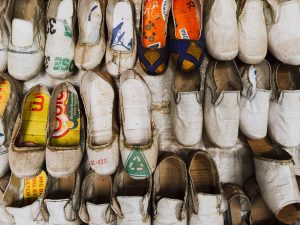
Look for specificity — a transparent brand will tell you exactly what makes that shirt or dress sustainable whether it’s organic cotton, low water usage, fair wages, or all of the above. Look for details: what is the fabric? Who made it and are they being paid fairly? How was the material grown? How much water or energy did it consume? Are brands using leftover material effectively, or are they contributing to the enormous fashion waste problem? Are they producing vast volumes of clothes that are then discarded rather than recycled? Sometimes, there are other hard choices to be made. Cotton, for instance, is a thirsty crop, leeching water from the soil, but on the other hand, polyester is a synthetic, non-biodegradable material.
Certifications help, but even they’re complicated. Some widely-recognised ones include GOTS (Global Organic Textile Standard), OEKO-TEX, and Fair Trade. But not all certifications are equal — and some are run by industry bodies themselves.
Transparency over perfection, always. Truly sustainable brands will be honest about what they’re doing and what they’re still working on. A glossy marketing video is not the same as a breakdown of supply chains and emissions — endless aesthetically-shot reels of tailors hunched over their sewing do not automatically translate to fair wages. Sometimes, it is simply clever marketing. It helps to write to individual brands and demand accountability.
Touch, feel, observe. While it’s not always possible to judge quality or authenticity with the naked eye, there’s some truth to the idea that if a garment feels cheap or synthetic, it probably didn’t come from a clean, slow process.
Unfortunately, in India and globally, there’s no unified parameters for sustainable fashion. In most countries, brands can slap the word ‘sustainable’ on a tag without proving anything; regulations remain sparse. The EU has begun cracking down on misleading claims and greenwashing, although enforcement is still new and patchy. However, this is set to change come 2028, with the EU mandating a standardized digital identifier under its Digital Product Passport initiative. This is a QR code of sorts that clarifies all the details of any garment sold in the EU, and thoroughly tracks its carbon footprint. This will squarely affect the Indian manufacturing industry that supplies $7.6 billion worth of textiles to Europe. How exactly this modifies an industry often reliant on informal tailoring workshops and unregulated middlemen, remains to be seen.
But until that is set in place more fully, that means the burden falls squarely on the consumer. And frankly, that’s not fair.
Even with the best intentions, conscious shopping isn’t enough to fix a broken system. It’s not just fast fashion that’s the problem — it’s fast information, too. We live in a system where we are constantly bombarded by trends; they are far easier to push than facts, and far more profitable.

So maybe the real question isn’t “Which brand is truly sustainable?” but something deeper: Why is it so hard to know for sure? Who gets to decide what’s ethical — and who is holding them accountable?
Until we have clearer regulations, global standards, and third-party checks that are genuinely independent, ‘sustainable fashion’ will remain a murky promise — one that can either mean everything or absolutely nothing.
We live in an age where we know where our food is from, how many steps we’ve taken today, even the carbon footprint of our flights. But when it comes to the clothes we wear — the fabrics that sit against our skin every day — we’re often in the dark. That needs to change.
If we’re going to talk about sustainability, let’s demand clarity. Let’s ask harder questions. Let’s treat ‘sustainable fashion’ not as a trend, but as a responsibility — one that belongs as much to lawmakers and corporations as it does to shoppers. Let’s bring light to the label.





Leave a Reply