

Perhaps one of the most exciting parts of planning a holiday is choosing where to stay — scrolling through photos, reading reviews, and deciding which place deserves your precious downtime (and your Instagram feed). But today’s discerning travellers, armed with disposable income and well-stamped passports, want more than just a room with a compelling view — they’re chasing stories. Travellers today want a narrative behind the hotel they’re staying at versus 1200-thread-count sheets.
Where you stay often becomes how you remember a place. A cold chain hotel could be anywhere in the world — but a 19th-century haveli with sun-dappled courtyards, or a hillside retreat made of local slate and pine? That’s where travel shifts from itinerary to immersion. As India’s travel culture matures, the idea of luxury is evolving. It’s no longer defined by size or splendour alone, but by a sense of story, sustainability, and rootedness. The country’s boutique hotels are at the centre of this quiet but powerful transformation.
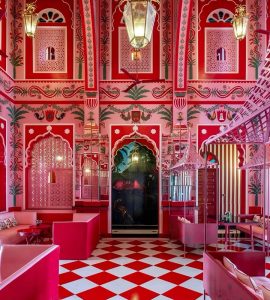
In Rajasthan, heritage havelis — former merchant and royal homes in their heyday — are being restored to new life as boutique hotels. Properties are giving visitors the opportunity to enter history without giving up contemporary comfort. Here, hand-painted frescoes, jharokhas, and courtyards aren’t done for show — they are maintained with love, providing a genuine sense of place. The restoration of these havelis is a sentimental sustainable model infusing economic vitality into old buildings without sacrificing their cultural backbone.
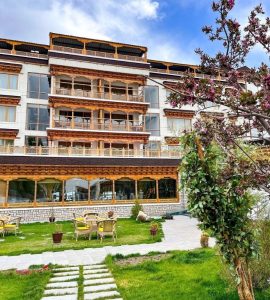
This change is not exclusive to palace towns. In the Himalayas, hotels such as The Grand Dragon Ladakh are redefining conscious luxury. The hotel combines local architectural styles with low-density development, embracing native materials such as slate, wood, and stone. The outcome? Spaces that resonate with the natural and cultural cadences of their surroundings, instead of disturbing them.
Others hire local chefs and artisans, providing guests with not only a meal or a room, but an exchange of cultures. At the Sawantwadi Palace Boutique Art Hotel, not only do the erstwhile prince and princess (Lakham Khem and Shraddha Lakham Sawant Bhonsle) run the hotel, they’re also trained chefs spooning plate after delicious plate of traditional Konkani food, while simultaneously reviving the ancient card-playing art of ganjifa.
The modern boutique hotel in India has also become a platform for local storytelling. The Kin in Mumbai replaces the standard reception desk with a concept store, selling curated art and crafts. With fresh flowers sourced from Dadar Market and the retro elevator it contributes to the story of the city it inhabits.
Sustainability, too, is more than a buzzword. Travellers today are not content with surface-level experiences. They’re seeking cultural resonance — whether it’s a cooking class with a Rabari woman, a nature walk to identify medicinal plants, or simply sipping tea on a haveli terrace where time lingers in sandstone carvings. It’s become less about excess, more about essence.
In this new ‘blueprint’ for Indian hospitality, boutique hotels are portals into the soul of a place. With each check-in, luxury is being re-written — it is personal, sustainable, storied, and deeply, unmistakably local.





Leave a Reply