

Not long ago, artificial intelligence-powered robots was something out of sci-fi movies or tech journals. Today, it’s part of everyday life. It helps you unlock your phone with your face, reroutes your maps during traffic jams, flags fraud at your bank, and nudges you into watching just one more episode on Netflix.
Now, it’s eyeing your dinner.
In cities like Los Angeles and Chicago, food delivery giants like DoorDash are testing small AI-powered robots — think knee-high pods that roll along sidewalks and deliver meals with zero human contact. They’re packed with cameras, GPS, and real-time traffic data. The idea? Cut down last-mile costs, rely less on gig workers, and serve up something futuristic.
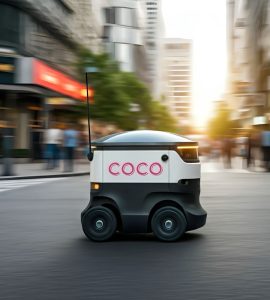
But anyone who’s been to Tokyo won’t find this surprising. Japan has long been ahead when it comes to blending tech with hospitality. Ramen shops with vending machine menus, lattes poured by robot arms, sushi zipping past on conveyor belts — all part of the norm. It’s efficient, it’s clean, and it works because the system around it does too.
Now picture India.
Delivery here isn’t a streamlined system. It’s controlled chaos — a world powered by jugaad, short-cuts, phone calls, and street-smart delivery guys who know exactly how to find your door, even when Google Maps gives up. It’s a human-driven operation that thrives in a landscape of broken lifts, unmarked buildings, narrow gullies, and peak-hour madness.
Could a robot handle that? Let’s tackle both sides of that question.
First, there’s the question of infrastructure. Many Indian cities barely have sidewalks — and when they do, they’re often uneven, broken, or blocked by everything from carts to cows. In such a situation, a robot might find the streets easier to navigate than a human being (and emit less carbon while doing so). On the other hand, a delivery bot that cruises down Mumbai streets might get stuck, lost, or simply draw a curious crowd.
Then there’s trust. Unlike in the U.S., where many consumers are used to dealing with automated kiosks and smart locks, India’s tech comfort zone is developing — especially when it comes to robots showing up at your gate with your biryani. This is where government regulations need to step in
And then there’s something harder to measure — culture. In India, delivery isn’t just a transaction. It’s a tiny act of familiarity. Maybe it’s the delivery guy who knows your gate code or brings extra ketchup because you always ask. That’s not something a beeping box can replicate.
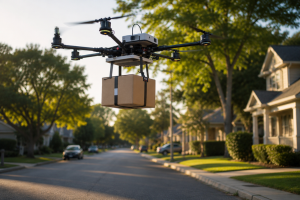
Does that mean AI has no place in Indian food delivery? Not at all. In fact, the march of the drone has already begun. Across parts of urban India, drones are already ferrying medicines, diagnostics, parcels and e-commerce shipments up and down. In Gurugram, groceries are already being hotfooted by drone, helping to reshape last-mile logistics. Plans are in the offing for Bengaluru, Mumbai, Kolkata, Pune and Hyderabad to follow suit. This was only a matter of time; India’s online food delivery market is expected to swell to USD 27 billion by 2030.
So is your paneer tikka safest in the hands of someone who knows how to dodge a pothole and charm a security guard, or in the arms of a drone soaring over the streets? The pavements may not be ready yet, but the future is already on its way.




Leave a Reply