

Once a quiet, personal choice, veganism today feels almost everywhere — showing up in oat milk lattes, plant-based meats, skincare labels, and climate conversations. In cities like New York or Berlin, going vegan is more than a diet. It’s a lifestyle, a statement, even a kind of soft activism.
And yet, for all its global momentum, veganism hasn’t really taken off in India — a country that, on paper at least, seems perfectly primed for it. After all, a large portion of the population is vegetarian. Many communities avoid meat for religious reasons. India’s extraordinary range of locally-grown vegetables and fruit makes it much easier for our meals to be meat-free. Vegetarianism is so deeply embedded in certain Indian cultures that it is seen as the default; the other option being ‘non-vegetarian’, a term used nowhere else in the world.
So why does it still feel like a fringe idea here?
A Culture That Already Made Its Choices
In India, what’s on your plate is rarely just a matter of personal preference. Food is entangled with religion, geography, community and caste. You might be vegetarian because your family always was. Or eat meat, but only fish or chicken, depending on your beliefs. And even if you don’t think too much about your diet, chances are it’s shaped by where you come from.
That’s part of what makes veganism such a tricky fit here. Perhaps the biggest misconception is that India is largely vegetarian. It isn’t, although the subject is more nuanced. For instance, more than half of India eats meat, but may eschew pork or beef, based on religious preferences. Or they may choose vegetarianism on certain days of the week.
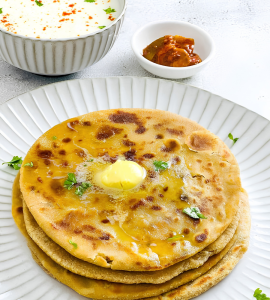
Indian vegetarianism is built on dairy — curd with your rice, ghee on your rotis, paneer instead of meat at weddings. Dahi, ghee, milk — these aren’t indulgences, they’re everyday essentials. Comfort food in India often begins with a dollop of white butter on hot parathas or ends with a glass of warm milk.
So when someone gives up dairy here, it is emotional — stepping away from what feels familiar, even sacred. In other countries, veganism has faced criticism for being a lifestyle of privilege — and in India, that critique hits harder.
Almond milk costs four times as much as regular milk. Vegan cheese is something you spot at a gourmet store, not your local kirana. Meat substitutes, when available, are marketed to an urban, upper-middle-class crowd. Even oat milk — now trendy in cafés — is still seen as an expensive novelty, not a staple.
Most Indians aren’t looking to swap out dairy; they’re just trying to put nutritious food on the table. In a country where malnutrition is still a real issue for many, asking people to opt out of affordable, accessible food sources in favour of imported substitutes can come across as tone-deaf and elitist.
The Urban Illusion
Sure, there are pockets where veganism is starting to find some ground. Walk through Bandra or Indiranagar and you might spot vegan cafés, tofu vendors, or Instagram influencers sharing smoothie bowls. Some are doing the hard work of promoting sustainability — but it’s still a small, elite crowd.
For most people, the word ‘vegan’ still doesn’t mean much — or feels like something that belongs to a different world entirely. A foreign idea that doesn’t quite click with the way they eat, cook, or live.
So What Would an Indian Veganism Even Look Like?
If veganism is to grow in India, it’ll have to look and taste completely different from the West.
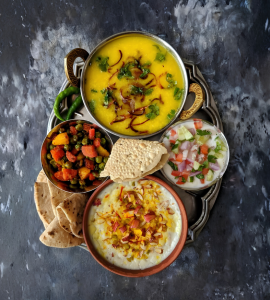
That means letting go of the almond-milk, the Beyond-Meat aesthetic and leaning into what’s already indigenous to the country: coconut, jackfruit, millets, banana stem — ingredients that are regional, affordable, and deeply rooted in traditional cooking.
Because long before ‘plant-based’ became a buzzword, Indian food was already doing it — just without the labels. The challenge isn’t creating a new food culture. It’s reconnecting with the parts of our own that have always celebrated plants without the fuss.
Right now, veganism in India is still mostly a trend, found in hashtags and pop-up menus more than everyday homes. But that could change.





Leave a Reply