

Specially designed matchboxes for the bar, tissue papers and coasters printed with a couple’s wedding logo, and hand-written letters from the bride for 350 guests at a sit-down lunch. Today’s Indian weddings look and feel nothing like what they did even five years ago.
Late baraats, pheras during mahurat, never-ending guest lists and boring banquet halls are out of the picture. The Gen Z vibe is intimate, personalized and identity-driven. Important functions host no more than 300-500 guests (an enormous downsizing from traditional weddings that could stretch to 1,000 guests or even more). Some couples are whittling down the guest list even more, to 100 guests. The overall budget, though, has soared. An average spend on the wedding is ₹39.5 lakh, almost 8% above last year. The aim is to create a memorable experience for the guests.
It’s interesting to see how familial power dynamics have changed too. Weddings are no longer a family’s project or even the parents’ playground. The couple leads the charge. “Mostly the bride. She is the main character. All others are supporting actors,” says wedding photographer Rajesh Satankar of Knotting Bells. There was a time when the groom’s family demanded a certain kind of wedding and the bride’s family nodded. Not anymore. The bride calls the shots now.
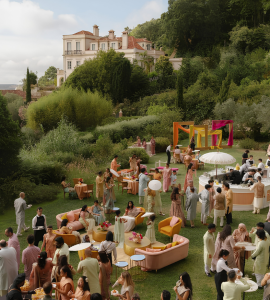
The celebrations are led by personal stories and experiences. The venue, décor, food, content and everything else must fit into the narrative. The decor is inspired by a place where the couple first met. The wedding stationery might feature sketches of their favourite movie characters. A Blue Tokai coffee counter sits next to a live pizza station where even the dough is kneaded on the spot. Quite natural, since the bride loves coffee and the groom digs pizza.
“The food menus are crisper and experience-driven,” says food stylist and caterer Dipti Sawalka Modi of Gourmet Design Company. The buffet doesn’t have everything from dosas to chat and pasta and pizza, nor are there big, heavy plates. The focus is on conscious consumption and an elevated meal experience. Think imported cheeses, artisanal cocktails and gourmet ice creams, each embellished with the couple’s specially-designed wedding logo.
Scenic wedding destinations such as heritage hotels, hill stations, vineyards, even jungle resorts, are now preferred venues, says wedding planner Siddharth Bavishi of The Wedding Trunk. Couples are also choosing more unusual places such as Mahabalipuram and Rishikesh. It’s no longer just Goa, Udaipur and Jaipur.
And of course, content plays a major role. “Going viral is the goal,” says Satankar. “It’s the new cultural currency, which gives people a sense of validation,” he adds. Last year, sunset pheras were big. It didn’t matter whether it was the right ‘mahurat’ or not, what mattered was beautiful photographs and videos in the perfect light. The priest does not decide the wedding schedule anymore, based on auspicious times and dates. A desired aesthetic for the content does.
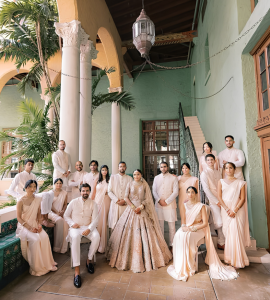
But this also means that a lot more is squeezed in the shorter two to three-day celebrations. No one has the time for a week-long event. Every little thing is planned to the last detail and accounted for. The ‘getting dressed’ video from 10 to 10.30 am. the groom’s entry from 11 to 11.30, and fifteen minutes for the choreographed dance sequence for social media content. “Bride and grooms come armed with cue sheets, and hardly anything is ‘go with the flow’. It’s almost regimental,” says Satankar.
A wedding may still be about two people beginning a life together, but it is now also a story crafted for an audience far beyond the venue. In the age of reels and viral moments, the Indian wedding has evolved from a family celebration into perhaps the most elaborate piece of content a couple will ever create.



Leave a Reply