

It’s happening again. 213 years after the book was written, Netflix has decided that what the world needs in 2026 is yet another Pride and Prejudice remake, this time with the peerless casting of Rufus Sewell as Mr Bennet and Olivia Colman as Mrs Bennet.
Pride and Prejudice was inked by the acerbic pen of Jane Austen more than two centuries ago, and it feels as though there have been as many adaptations of the book ever since, including Bridget Jones’s Diary, Gurinder Chadha’s sparkling Bride and Prejudice with Aishwarya Rai and Martin Henderson, as well as the bizarre Pride and Prejudice and Zombies, an action-horror mashup released in 2016 in which the stars of the book spend their time scything the prowling undead.
That Austen’s wit and wisdom transcend ages, genres, and geographies is undeniable; Google says there have been at least 17 versions of just this book, some of which are film or telly adaptations of book adaptations of the original (although why does anyone bother when everyone knows the 1995 BBC adaptation of the book is the definitive one). Again, this year, Focus Features is releasing a brand-new Sense and Sensibility. In short, Austen is irresistible.
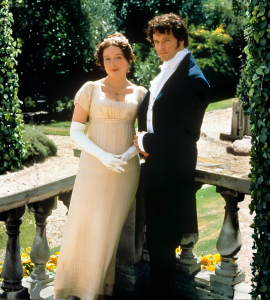
But this isn’t simply a tirade about Austen remakes. Agatha Christie remakes litter the cinematic landscape, with Kenneth Branagh making three Poirot films in less than ten years. Indubitably, more Christie remakes are on the horizon. There are so many of Murder on the Orient Express that there are even articles ranking the top 5 adaptations of the film. Christie died in 1976; her detectives have never worked harder.
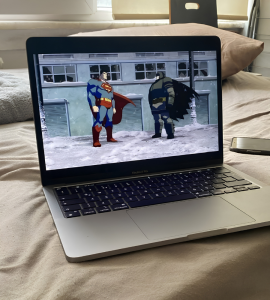
From the point of view of the filmmaker, remakes make eminent sense. Superman, for instance, is a known IP with built-in audience recognition and easy (and cheaper) to market to people who have grown up loving the source material anyway. After all, everyone knows the superhero with the giant S on his chest. The audience comes pre-sold.
But what about from the audience’s point of view? Why do we keep submitting to the same stories, told over and over again? There are think pieces flooding the media space, claiming that nostalgia is in, but nostalgia has always been in.
While nostalgia is a great marketing tool, perhaps it is also the result of the silent mandate of the discerning viewer, choosing to rewatch a cult favorite over betting on a fresh release. To return to something familiar is also a way to emotionally regulate and lower anxiety, especially during times of uncertainty, i.e., not just economic or emotional uncertainty but during traumatic times such as the pandemic.
A study found that people under high stress tend to revisit familiar media to create a sense of control. Processing unfamiliar narrative arcs and following new characters requires a higher cognitive load. The same way a song on repeat can calm you down, so can a remake of Emma. Across continents, people are choosing comfort over novelty.
Decision fatigue plays a big part. In a world with 500+ new scripted shows released every year, the simple act of choosing what to watch can feel overwhelming. Psychologists call this ‘choice paralysis’. Faced with too many options, many of us revert to what’s safe and easy. Remakes demand very little from our over-stimulated brains.
Maybe rewatch statistics aren’t just media metrics. Maybe they’re a cultural temperature check — revealing when and how we turn to old favorites to manage new realities. People fall back on familiarity when they want to feel okay. That need — to feel safe, steady, soothed — cuts across countries, platforms, and personalities.
But what do we lose out on when filmmakers keep choosing familiarity? Creativity for one, as studios turn to risk-averse choices, while artistic originality falls by the wayside.
The relentless cycle of reboots and remakes may be keeping studios profitable, but it is also making mainstream cinema increasingly predictable. How long can such a model remain lucrative for? As audiences become familiar with the same stories, formulas and franchises being recycled, their appetite for repetition may eventually wane, forcing the industry to look beyond nostalgia and invest once again in original ideas.
All this is to say, that there’s nothing inherently good or bad about a remake. Sometimes, a familiar story can offer exactly what we need; sometimes, it can remind us why the original was so beloved. The real question is whether we are returning to these stories because they still have something new to say, or because we have simply stopped looking for stories we haven’t heard before.



Leave a Reply