

It used to be Tumblr. Now, it’s Substack.
For a generation of writers, artists, and internet thinkers, newsletters have become less about career growth and more about emotional presence. Once seen as a platform for serious opinion columns or journalistic dispatches, Substack has slowly shapeshifted into something softer, stranger, and far more personal, a public diary with a subscribe button.
You can see it in the tone: newsletters that begin with “I’ve been crying all week,” or “Here’s what’s keeping me up lately.” Writers talk about breakups, creative burnout, trans identity, homesickness, and grief — often alongside music recs or meme dumps. One look and it is obvious that this isn’t traditional publishing. But it is something else of equal value. It is a vibe-driven vulnerability, delivered directly to your inbox.
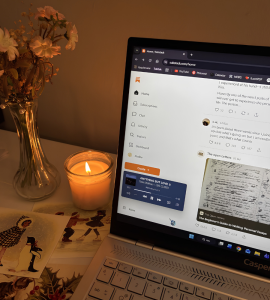
In a way, this shift was inevitable. Trust in legacy social media has eroded sharply. Social media, once a home for digital intimacy, has become hyper-curated and algorithmically governed. X, owned now by Elon Musk, has pushed out many journalists, writers, and creators. Meta’s algorithmic feeds became less forgiving of organic reach for text-based posts. Meanwhile, TikTok remained mired in regulatory uncertainty across the U.S. and in India. And Tumblr is a ghost town.
Substack, which launched in 2017 as a simple newsletter tool for independent writers, has since transformed entirely into a hybrid publishing and community platform. Today it hosts everything from personal essays and op-eds to investigative journalism and open discussion threads, magnetizing millennials and older Gen Z who still crave the old internet’s messier honesty.
What sets it apart, though, is its core philosophy: a direct line from creator to reader, with nothing in between. No algorithm dictating visibility. No ads forced into the feed.
And like Tumblr, Substack hosts a constellation of niche cultures. From tarot pulls and reading lists to fan fiction revivals and late-night rants, the newsletter form has morphed into an emotional archive. Some are weekly letters to strangers. Others are love notes to a former self. Few are about clicks or virality. They’re all about connection.
Writers are also reclaiming pace. Unlike TikTok or Threads, Substack rewards slowness. There’s no trending tab, no instant feedback loop. You send, and maybe someone reads. Maybe they write back. Maybe they don’t. The rhythm is more analog than digital.
It’s also, crucially, a quieter space for writers of color, queer writers, and diaspora voices, those often flattened by platform incentives or forced to perform identity in extractive ways. On Substack, they can just… be. Not everything has to be a take. Some things can just be felt.
Unlike Tumblr though, Substack also hosts meetups. They’re quiet, low-key, almost secret affairs without the flash and flare of celebrity parties, held in intimate spaces such as bookshops and even private homes. In 2025, Substack got together Nick Hornby, Hanif Kureishi, India Knight, Annie Macmanus, Dan Jones, Pandora Sykes, and Jameela Jamil in London — all of whom were given a loose theme, ‘togetherness’, to interpret as they wished.
This was an opportunity to bring writers and readers together, one of the most special relationships that exists — and one that Substack depends on for its very survival.
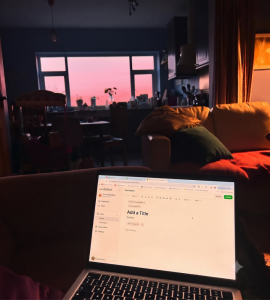
This doesn’t mean Substack is perfect. Its monetization model creates new kinds of pressure: who gets paid, who stays free, who gets seen. In India, for instance, monetization complexities take on an extra layer; Substack runs on Stripe and Stripe doesn’t accept Indian accounts, except by invitation only.
And the platform itself has been slow to reckon with its early alignment with controversial figures and libertarian free speech politics. But as a tool, it’s being reimagined from the ground up, not just as a media product, but as a cultural object as well.
Because at its best, Substack doesn’t feel like a newsletter. It feels like a friend checking in. Like someone handing you a note in the middle of a noisy room. It may not be the internet we started with. But for those trying to write their way through this version of it, it’s something close.

Leave a Reply