

A pet-friendly resort advertising gourmet canine menus. A bakery preparing breed-specific birthday cakes. A young couple planning their weekend around daycare timings for their cat.
Twenty years ago, these scenes would have seemed extraordinary in India. Today, they are entirely commonplace.
India’s pet-care market has more than doubled in value since 2019, touching roughly $3.6 billion in 2024. But the numbers only reveal one part of the story. Pets are no longer dismissed as mere animals — they are increasingly treated as family members and, in many households, surrogate children.
This is an enormous turn of events for a country in which pets played a very limited role. Dogs were seen as guardians of the gate, cats were useful as rat catchers, and that was that.
Contemporary urban India could not look more different. The country’s pet population has grown from around 26 million animals in 2019 to more than 32 million in 2024. Pet ownership remains low compared with Western markets, but its character has changed dramatically: pets now travel with their family, are stars of family photographs, are often the family password (as the popular Instagram meme goes), eat special diets, and curl up in bed beside their family members every night.
Much of this is linked to broader demographic change — later marriages, fewer or no children as part of a DINK (dual income no kids) household and perhaps higher salaries. Pets often fill emotional roles once held by traditional family structures. This has given rise to the DINKWAD household (double income, no kids, with a dog) and a new kind of consumer: financially secure, time-poor, and deeply invested in their pet’s wellbeing.
We know that the foundations of India’s pet boom predate Covid-19, but the pandemic accelerated it sharply. Lockdowns confined millions to their homes, cut off from social networks and navigating prolonged uncertainty. Companion animals offered structure and emotional support through the disruption, and adoption rates rose sharply across urban India, often turning casual ownership into familial bonds.
As lockdowns ended, those behaviors largely continued — translating into higher spending on nutrition, healthcare, travel and lifestyle services. What began as a response to an extraordinary moment became a lasting shift in consumer behavior.
Spending patterns show the transformation most clearly. Pet food remains the largest category, with basic kibble giving way to premium nutrition, specialized diets and functional wellness products, as owners scrutinize ingredient lists and health outcomes as much as they do for their own diets.
But the shift extends well beyond food. Grooming, once an occasional luxury, is becoming routine, with pet spas spreading across major cities. As a result, some dogs are better groomed than their humans! Preventive healthcare is expanding, and pet insurance — still nascent in India — is attracting interest as vet costs rise. Even celebrations have become commercial, with pet bakeries selling birthday cakes and festivals catering exclusively to companion animals.
India’s pet industry has moved through distinct phases: first products (food, accessories, retail), then digital commerce, which broadened access and brought pet care into the mainstream.
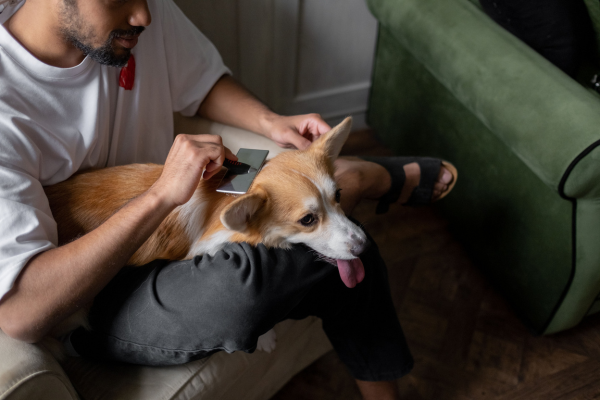
A third phase is now emerging, focused less on what owners buy and more on how they care for their pets. Grooming, daycare, boarding, training and veterinary services are among the fastest-growing segments, reflecting a new reality: owners are willing to spend, but constrained by time. The challenge is no longer finding food or toys — it’s finding trusted caregivers. The industry’s centre of gravity is shifting from one-off transactions toward ongoing relationships built on trust.
Perhaps the strongest validation comes from outside the pet industry itself. Some of India’s largest consumer companies have entered the category in recent years. FMCG groups are investing in pet nutrition, global corporations expanding via acquisitions, and domestic conglomerates launching dedicated pet-care brands. Major players in the pet industry are ramping up their efforts to enter the space. Nestlé purchased the Indian pet-food company Purina Petcare. Meanwhile, Emami, an Indian consumer-goods conglomerate, has introduced Ayurvedic pet medicines. According to market-research firm Euromonitor International, India’s pet-food sector currently holds a value of $480 million and is projected to expand to $1.2 billion by 2025.
Pets are now regularly covered by national newspapers, television and digital publications, with pet-focused startups increasingly appearing on business competition shows, reaching audiences well beyond traditional pet-owner circles. Advertising tells a similar story: brands with no connection to the pet industry — telecom companies, banks, e-commerce platforms — now feature pets regularly, because they evoke trust, warmth and family.
Urban infrastructure is beginning to catch up with changing attitudes. Pet-friendly cafés, resorts and hotels are increasingly common, and dedicated pet events and adoption fairs now draw large crowds. Workplaces are adapting too — several companies have introduced pet-friendly policies, including bereavement leave for employees mourning the loss of an animal companion, a perk that would once have seemed entirely eccentric.
The digital economy has amplified all of this. Pet accounts are a thriving category on Instagram and YouTube, often out-engaging traditional influencers, with thousands of Indian pet creators documenting daily routines, training journeys and travel. Multiple travel accounts now point the way to pet-friendly restaurants and hotels (a swelling number).
The growth story isn’t without complications. India remains home to one of the world’s largest populations of free-roaming indie dogs, and the contrast between premium pet spas and underfunded animal welfare systems raises real questions about inequality and responsibility.
Pet ownership itself is concentrated in urban, affluent households, with access to quality healthcare and services still uneven across the country. Infrastructure lags too, and despite rising adoption rates, pedigree breeds are still far higher in demand.
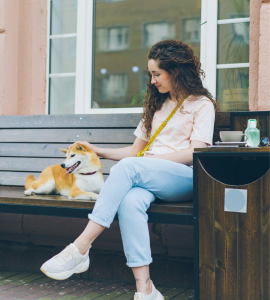
The easiest way to understand India’s pet-care industry is through market forecasts — a $3.6 billion sector that could double again within a few years. But the more significant story lies beyond the numbers.
Pet care is not merely a larger consumer market, but a new cultural reality — one in which companion animals are treated not as possessions, but as members of the household. And as that idea spreads, the future of India’s pet industry will be shaped less by products on shelves than by the changing relationships between people and the animals they choose to bring into their lives.





Leave a Reply