

We all remember a time when the Indian music scene was seen as being synonymous with Bollywood. At parties, at festivals, at weddings, Bollywood music was the default setting. For a brief period in the 1990s and early 2000s, Indipop and rock made an entry, with bands like Indus Creed, Pentagram, Viva, and musical stars such as Alisha Chinai and Anaida. Then, as the years passed, they either lapsed into obscurity or pivoted to … you guessed it…Bollywood.
A few years later, a universe of music apps blossomed: Saavn (now Jio Saavn after its merger with Reliance’s Jio platform in 2018), Gaana, Apple and Youtube Music, and others. Bollywood remained the mainstay throughout, of course. Into this crowded arena entered Spotify in 2019.
Spotify came with a global playbook ready to whip out and deploy, but India was largely reluctant to pay for subscriptions; they were used to free streams of music through online platforms such as Youtube, and bundled apps. The streaming giant also grappled with competition from Jio Saavn and others, which offered more affordable subscription rates. Spotify learnt the hard way what most international companies such as McDonald’s figure out soon – in India, you adapt to the local culture or you perish. And so in its first fiscal year, the company tanked, losing Rs 156 crore in its first full fiscal year.
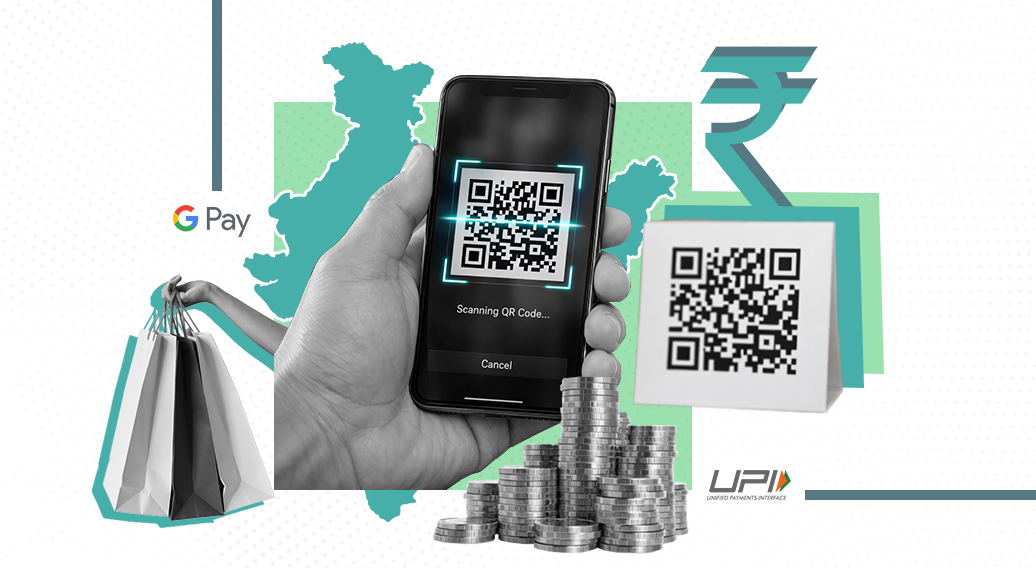
So what changed? Indians, used to UPI payment structures, eschewed the credit card systems. So Spotify incorporated UPI AutoPay. Then Spotify built different pricing plans for different pockets. India was used to free music. So Spotify pushed the advertising-supported free tier making it the magnet that the company hoped would build a customer base. And eventually, in March 2025, the Indian arm reported a net profit of Rs 74.62 crore on revenue of Rs 513.77 crore. But the pricing is a mere footnote. The actual story? Bollywood music has become just one slice in a much larger pie.
Spotify’s own data says that “I-Pop — popular Indian music released outside of Bollywood film soundtracks — accounted for half of Spotify’s 2025 year-end top 10 in India, with tracks from Kushagra, Anuv Jain, Faheem Abdullah, and Jasleen Royal charting right alongside film favorites. Aditya Rikhari’s track “Sahiba” made history by holding the number No. 1 spot on Spotify in India for more than 11 consecutive weeks.”
As more listeners discover music made in India’s regional languages, artists who haven’t always held the mainstream spotlight are benefiting. Globally, the biggest year-over-year increases in generated royalties for regional-language music are in Telugu and Marathi. Haryanvi streams saw a nearly sevenfold increase from February 2023 to February 2026.
This was the real cultural shift, and streaming made it possible. A song no longer needed a producer’s gatekeeping, a studio’s budget or a film release to find a million strangers.
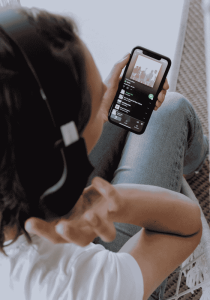
K-pop is its own global phenomenon, so why not Punjabi pop? Why not Haryanvi? Spotify claims that it has built the platform to support regional, independent artists as well, and that Indian music can, through the heft it offers internationally, make it big abroad too. As flattering a thought as it is though, we really do need to ask ourselves whether this simply means the gatekeeping has shifted from a Bollywood producer to a Swedish platform.
Then there is the ledger. Spotify says the number of Indian artists earning over Rs 1 crore a year from the platform has tripled since 2022. That is a genuinely exciting number for the people on the right side of it. But it is Spotify’s own figure, and it describes the top of a pyramid. Streaming income is famously thin at the base, and the wider industry grew just 2.5 percent in India in 2024, down from 15.4 percent the year before. A bigger audience does not automatically make a living.
The question then is not whether Spotify has been good for Indian music. In many ways it clearly has. It is whether the artists whose accents, languages and rough edges give the platform its Indian identity are sharing in what that identity is worth.

Leave a Reply