

If social media has taught us anything, it’s that literally anything on earth can be ‘maxxed’. If you count your macros, you’re proteinmaxxing. If you track every aspect of your sleep cycle, you’re sleepmaxxing. If you’re focused on becoming as attractive as possible, you’re looksmaxxing. A step beyond looksmaxxing is hardmaxxing, which includes dangerous practices such as smashing the jaw to reshape your facial bone structure. And now there’s Lakshmimaxxing.
What in the Heavens is Lakshmimaxxing? You may well ask. The answer requires teasing out the question into two strands. First, maxxing, a term borrowed from gamers, where min-maxing meant squeezing every possible advantage out of a character. Second Lakshmi, very obviously a Hindu goddess, worshipped (amongst other things) for beauty, prosperity and abundance, both spiritually and materially. In other words, Lakshmimaxxing involves funnelling the Goddess’ attributes into an Instagrammable self-optimization productivity hack.
The term was seemingly coined by Canadian Instagram influencer Well_Witch (Lisa Power) who offers ayurveda-related tips to her 233K followers, with posts like ‘Eat According to Your Dosha’ and ‘Ancient Feminine Glow Technologies (according to Ayurveda)’. Amongst her most recent reels? She tells her followers they “need to be Lakshmi-Maxxing” by (amongst other things) creating a goddess altar, waking before sunrise, eating freshly cooked food, burning ghee lamps morning and evening, and having daily breast oil massages.
In Power’s wake came a slew of other Western influencers, such as Alicia Munian, posting about this latest viral ‘trend’: “Clean girl aesthetic? How about Lakshmi maxxxing instead? Abundance. Beauty. Grace. Prosperity. Divine feminine energy. Why settle for minimal when you can be divine?”
Predictably, a howl of outrage went round the Internet.
Lakshmimaxxing transforms a revered goddess into a lifestyle influencer: tidy up your home, learn to be grateful, manifest your divine feminine power, fill your house with beauty and abundance. A goddess detached from cultural and religious context, appropriated by social media influencers, whitewashed, and turned into a sort of self-help mantra; a blasphemous thought in itself, made several levels worse by the fact that this is cobbled to a long line of whitewashing — the dupatta sold as a ‘Scandinavian scarf’, the jhumka vaguely labelled as ‘vintage jewellery’, the Kolhapuri chappal purloined by Prada at their fashion show in Milan in 2025. Even India’s traditions of yoga and meditation have been commodified into a Western wellness product.
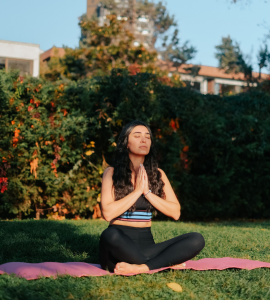
And so while one section of the Internet is anguished at the use of a goddess that they revere, another says that the most infuriating part of the commotion is how certain parts of Indian cultural imagery are conveniently repackaged by the West for visibility and marketing while the culture itself is often disregarded or treated as regressive. After all, “Indian grandmothers have been Lakshmimaxxing for generations without a podcast, morning routine or Pinterest moodboard,” opines Laksh Borah, an Indian-origin Instagrammer in the UK. When does cultural appreciation turn into cultural appropriation?
That does not mean every contemporary interpretation is disrespectful and must be spurned. Gatekeeping is never the answer. It does mean though that the greater popularity a trend achieves, the more important it is to understand what is being borrowed and where it came from. The objection isn’t to cultural exchange, or even to drawing inspiration from Lakshmi’s obvious and powerful symbolism. It’s to the erasure that so often accompanies it: practices dismissed as regressive when they’re Indian, then embraced and monetized once they’re rebranded for a global, largely Western audience.
That double standard is where the sting in the tail lies. It’s not simply that a goddess is being used to sell an aesthetic. It’s that the culture she comes from doesn’t get to travel with her. So is Lakshmimaxxing appreciation or appropriation? Probably both, in different measures, depending on who’s posting and why. But the more interesting question the trend raises isn’t about one influencer’s intentions — it’s about whether the internet’s endless appetite for optimization can hold space for meaning, history and reverence, or whether everything, eventually, gets maxxed into a sellable, marketable version of itself.



Leave a Reply