

Across India’s big and small cities, compact scooties carrying massive boxes, zooming on congested roads and through narrow alleys, are a common sight. A delicious cake is on its way in Benaras, ordered by a sibling or a son in the US, making up for their absence from thousands of miles away. 2 am medicine deliveries with a customized message — “please deliver and check if my parents are okay” — are commonplace on delivery app messages.
As the little Scooty progresses towards the given address, the sender knows their love is being delivered soon. The delivery partners are the frontmen of our capitalist society’s love language. As personal care is outsourced, the ‘Swiggy lad’ braves heat, rain, cold, and extreme work conditions to deliver a product in about 15 to 20 minutes.

They play a big part in urban love stories too. “Sent this because you were upset this morning” or “Enjoy this, I’ll be late for dinner” have become routine acts of love in a fast-paced, pressed-for-time world that would rather send a text or a voice message than pick up the phone and call someone. It means a lot when someone takes the effort to browse the app, order your favourite meal, pay for it, and coordinate with the delivery agent.
When app-based delivery services started, older Indians were their strongest critics. They ridiculed the idea of paying someone to do household errands. But Covid-19 changed that. People from their 20s to their 70s are now used to the convenience of quick, at-home deliveries. The Indian diaspora makes up a small part of the subscribers, marvelling at the availability of such low-cost delivery services in India and grateful for them, as they let them connect with their families even from miles away.
What’s interesting is how these algorithm-backed apps, these mega digital operations, are still fronted by a basic human connection. It’s momentary — lasting just as long as the opening and closing of a door. But it’s there. The performance of care is outsourced, not the thought. And the delivery guys become the face of this new social dynamic.
There was a time when the vegetable vendor, the ironing man, or the postman played similar roles. They would come in, bring fresh produce or a long-awaited money order, inquire about the family’s well-being, keep a spare key of the house for emergencies, and even water the plants while the family they sold their wares to, was away.
But as gated communities and strict security checks keep itinerant vendors out, scooty-riding, app-approved delivery partners have replaced them — at the cost of a delivery fee (but no Diwali tip).
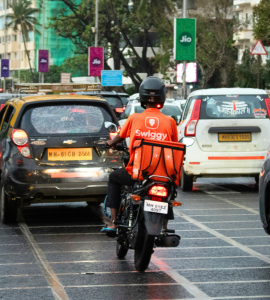
And it is a cost the delivery partners themselves bear the most. Their jobs are not easy. The pressure of on-time delivery is immense. Penalties for delayed delivery can be brutal, and the pay hardly compensates for the hours and effort they put in. Social media glorifies delivery agents for going over and above their call of duty — seeking medical help for someone injured, feeding street dogs, sometimes of their own accord and at times as part of the job. They are perceived and portrayed as care ambassadors. That’s proof they have become an integral part of our social system — and it’s why they get so many eyeballs, and so much interest, in the hard-to-crack, clickbait world too.




Leave a Reply