

Open the door to a young urban Indian kitchen today and the cabinets tell their own story. Flour milled from jowar and bajra grain sits next to chocolate-flavored protein powder. A jar of fermented kanji sits cheek by jowl with a bottle of kombucha. This is not a kitchen caught between two worlds so much as one that doesn’t see them as separate at all. The country that once measured a good meal by the number of bowls in their thali, is now equally likely to measure it in macros, grams of protein and gut-friendly fiber.
Across the country, there is a renewed appetite for local, seasonal and foraged ingredients. This spills over to local, indigenous spirits such as feni and mahua; once decried as unfashionable, they are now shelved in some of the country’s most expensive restaurants. Local is the name of the game. Goa, always a tourist favorite, was crowned the year’s top food destination, thanks to a clutch of fresh restaurants and chefs dabbling in hyperlocal cooking.
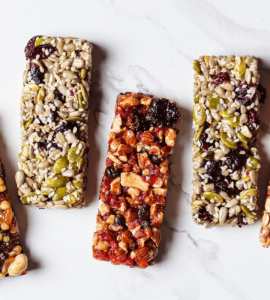
Equally, wellness is paramount. Much like the rest of the world, protein and its sequel, fiber, are now taking pride of place on Indian plates. What began as a niche fixation on social media is poised to reach the mainstream. As a direct consequence of this, the protein bar is getting a makeover. Fatigued by artificial-tasting, sweet bars and shakes, consumers are instead choosing savory snacks, with manufacturers now finding ways to stabilize spice-heavy fats so that a protein bar can taste less like a gym supplement and more like familiar street food.
Cocktail menus are footstepping in the same direction, exchanging sugar for salt and spice: fermentation and pickling are turning clubs and bars into extensions of high-end restaurant kitchens, aimed at a younger, Gen Z clientele more interested in complexity than in getting mindlessly drunk.
In a reflection of affluent India’s obsession with pet care, pet nutrition has become one of the defining stories of the year. Nutritionally sound formulated, veterinarian-grade pet food is being pitched not as an indulgence but as a long-term health investment. This says something rather poignant about Indian households today. A pampered pooch was once the domain of the super-wealthy or the eccentric. But now middle-class urban Indians are fuelling a boom in India’s pet care industry whose value has nearly doubled in the last few years.
Much of India’s restaurant industry seems to have been triggered by the juggernaut of Instagram’s unceasing algorithm, churning out post after aesthetically-curated post. The biggest driver of menus appears to be whether a dish will look good on your feed or not. This is resulting in a spate of milquetoast cafés, all of whom offer similar menus with similar-looking dishes. The avocado toast has become a staple across eateries, and diners might drown in a moat of (beautifully-presented) matcha. Restaurateurs today are understandably wary of taking risks – it is a precarious business after all, especially in cities such as Mumbai with teetering real estate rates – but this can also result in bland simulacra.
The pull towards heritage ingredients and forgotten spirits is a search for authenticity in a market that increasingly rewards aesthetics and style over inventive cooking; the pull to locally-flavored protein draws from the same zeitgeist. Both impulses speak to the same thing: a rising, aspiring India trying to eat its way into the version of itself it would like to become.




Leave a Reply