On a rainy evening in New York, a record store in the East Village opens its door and a warm note escapes into the street. A small crackle, a bassline, and the soft thump of a needle settling into a groove. A teenager walks in holding a Billie Eilish LP under her arm. Behind her, a man in his sixties thumbs through a crate of Coltrane reissues. They stand shoulder to shoulder, separated by decades but listening, together, in the same way. Neither notices how improbable this scene would have seemed even fifteen years ago.
Moments like this are no longer confined to Manhattan. You can find them in a café in Seoul, where customers whisper over coffee while a jazz record spins, or in a bar in Bengaluru, where someone in a football jersey flips a Hindustani classical LP before returning to their friends. Across the world, listening rooms, vinyl nights, and record fairs are drawing crowds who grew up with smartphones rather than turntables. In Tokyo, jazz kissaten have become pilgrimage sites for Gen Z. In Mexico City and Manila, collectors swap records the way people trade stories. Vinyl, once dismissed as an artifact, has re-entered the world as a surprisingly universal way of listening.
But here’s something to consider. Its comeback is not merely cute, quirky, or retro. It has become a global language, and it tells us something about the deeper cultural shift happening quietly across continents.
A return driven by desire, not nostalgia
The revival began, predictably, in the West. By the early 2020s, vinyl in the United States had surpassed CDs in annual revenue for the first time since the late 1980s, a milestone once considered impossible. The momentum continued into the mid-2020s, even as streaming tightened its grip on the industry. Europe saw shuttered record shops reopen, listening rooms resurface, and younger buyers, many born after the LP’s supposed death, queue for new releases.
The revival is now too widespread to classify as a passing trend. It feels more like a recalibration of how people want to experience music.
Global fatigue with frictionless culture
Streaming won because it made everything easier. But the very efficiency that made it irresistible has also made it exhausting. Endless playlists, algorithmic recommendations, and background listening have turned music into ambient vapour, something that fills a space but rarely holds it.
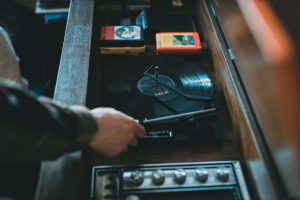
Vinyl moves in the opposite direction. It has weight, ritual, and it demands commitment. You cannot skip songs with a thumb. The music unfolds at its own pace. That slowness, once dismissed as an inconvenience, has become part of the pleasure. Around the world, people seem to be seeking more friction, not less. Not chaos, but a kind of intentionality that digital culture has steadily eroded.
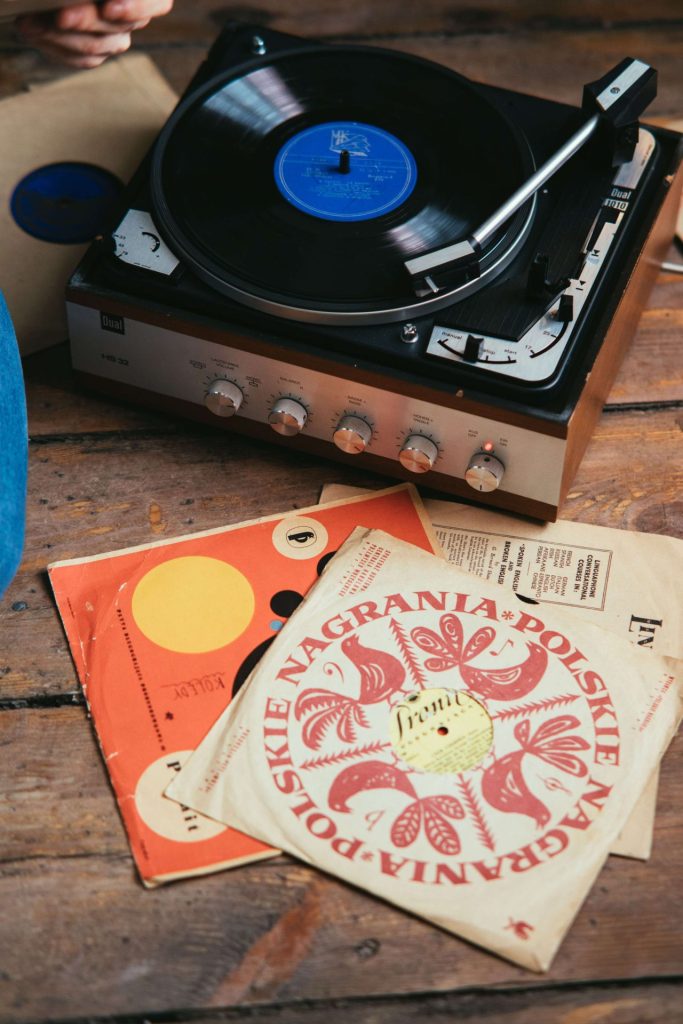
Streaming has made music universal, but it has also made much of listening feel disposable. Vinyl rewards sustained attention, and sustained attention often leads listeners outward. Someone who buys a record often ends up exploring the artist’s wider catalogue, the producers behind the music, the labels that released it, or the traditions that shaped it. A jazz album can lead to Brazilian funk, a disco compilation to Italian electronic music, or a regional Indian soundtrack to an entirely different musical archive. For many younger listeners, records are not nostalgic objects but gateways into worlds they are discovering for the first time.
In India, that rediscovery extends beyond familiar classics. The renewed interest in vinyl has brought old Bollywood scores back into circulation, but collectors are just as likely to seek out Hindustani classical recordings, regional film soundtracks, jazz reissues, disco compilations, or independent pressings. The appeal lies as much in curiosity as in memory.
The object as meaning
Unlike our Spotify or Apple Music playlists, vinyl is not just a medium. It is also an object. The cover art, the liner notes, the weight of the disc, and the quiet ceremony of lowering the needle turn music into something you can touch. In an era where so much of life exists only on screens, owning a record feels like reclaiming something personal.
Younger listeners often treat records like autobiographical artifacts, while older listeners see them as bridges between different versions of themselves. Few cultural objects today are shared across generations with so little irony.
There is also a social dimension. Across cities, record stores, listening bars, and collector meetups are rebuilding forms of community that digital culture often struggles to sustain.
In Delhi, that impulse has found a home in spaces like 304, a speakeasy and vinyl bar where themed listening nights draw regulars as much for the atmosphere as for the records themselves. One patron put it simply: “It feels like community, but it also feels like home. I come here even though I have a player at home because they have records I don’t. But I always meet people who think like me here.” The attraction is not only analogue sound. It is the chance to experience music alongside other people who have chosen to slow down and pay attention.
What the comeback reveals
The vinyl revival is almost an emotional argument, a quiet refusal of speed. It pushes back against the feeling that music has become too frictionless, too compressed, or too disposable. The format offers an alternative rhythm, one that feels both nostalgic and strangely contemporary. It suggests that the digital world may be everywhere, but it does not have to be everything.
Every city that embraces vinyl does so differently. In some places, it is about preserving cultural archives. In others, it is about discovery, design, or community. Yet the underlying message remains remarkably consistent: people want to listen with their whole attention again. They want to touch their music. They want time to have texture.
The needle is not simply returning to the groove. It may be returning us to a slower, more deliberate way of being in the world.