In November 2016, the lines began forming before dawn. Outside banks and ATMs across India, people stood clutching ₹500 and ₹1000 notes, the very lifeblood of the cash economy, suddenly rendered worthless. The Indian government had announced demonetisation overnight, pulling most of the nation’s currency out of circulation in a bold (and widely debated) move against corruption and black money. For millions, it felt like the ground had shifted. What followed was weeks of chaos, and then, a quiet transformation.
In the absence of physical cash, Indians turned to something new, a real-time digital payment system called UPI.
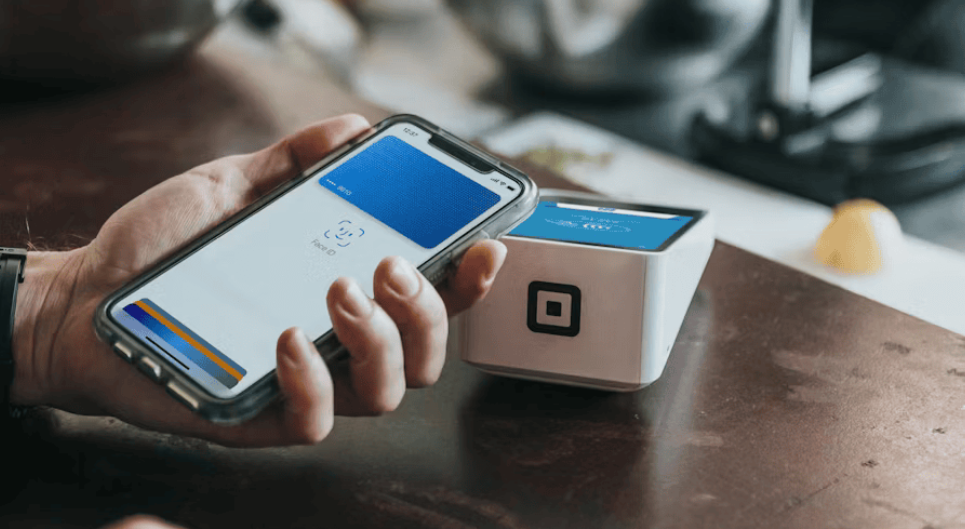
By the end of 2025, that system was processing record volumes. In December alone, UPI logged 21.6 billion transactions, the highest monthly total since its launch. Across the year, it handled roughly 228 billion transactions worth close to ₹300 trillion. While most of the world wasn’t watching, India quietly built one of the largest public digital payment systems anywhere, leapfrogging plastic cards and bypassing private fintech monopolies.
So what exactly is UPI, and why are people from Nigeria to France now paying attention?
What Is UPI?
UPI, or Unified Payments Interface, is a real-time, mobile-first system developed by the National Payments Corporation of India (NPCI), a non-profit entity backed by India’s central bank.
At its simplest, UPI lets anyone send money to anyone instantly, 24/7, and directly from their bank account, using only a phone number or a virtual ID. There’s no need for a credit card, transfers are typically free for everyday use, and there’s no waiting for settlements.
What makes UPI unusual is its structure. While it deals with transactions, it is not a financial product. Simply put, it is actually a form of public infrastructure. Like roads or railways, it’s open to all and owned by none. Any bank, app, or fintech can plug into it. There are varieties to choose from, but the rails remain the same.
How Is It Different?
In the US, digital payments often come with a fee and multi-day delays. Venmo, Zelle, PayPal, and Apple Pay are convenient, but fragmented. But, more importantly, they’re all private.
UPI, by contrast, is unified and universal. It works across platforms, banks, and economic classes. You can pay a street vendor with Google Pay, split a bill in a fancy restaurant via PhonePe, or receive a government subsidy, all using the same system.
Perhaps its other most significant and distinct aspect is that it is interoperable. The system doesn’t privilege one brand or bank over another. It was also built with financial inclusion in mind. So, small transactions are typically free, interfaces exist in multiple Indian languages, and users don’t even need a smartphone to be able to use it. UPI can work via basic phones using USSD codes.
In the Indian context, this story is about efficiency.
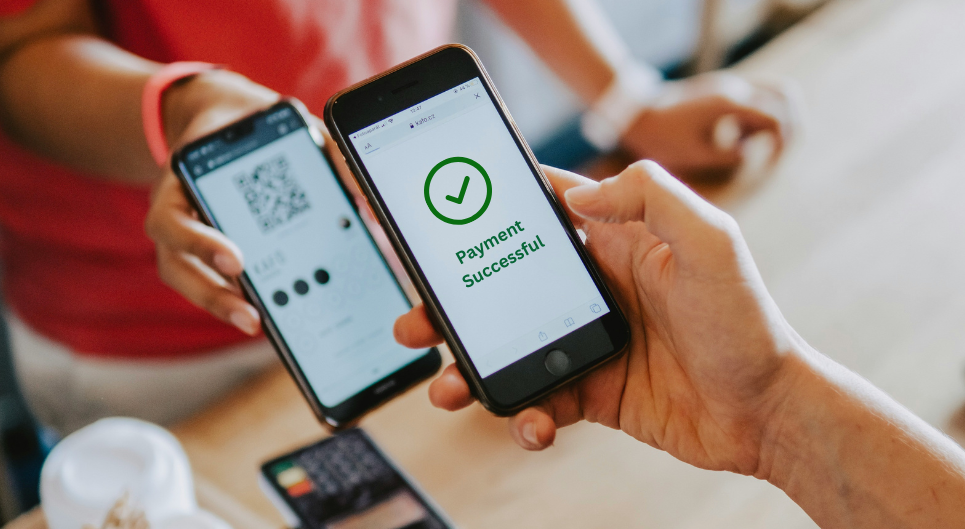
In 2023, the US launched FedNow, its long-awaited instant payment system. It was a significant step, but a limited one. By the time it arrived, Americans were already relying on a patchwork of private platforms that work well enough for most people, even as credit cards continue to dominate retail payments, along with their fees and fraud risks.
Apple Pay has smoothed some of that friction, but only within its own ecosystem.
India took a different route. Instead of building around private platforms, it invested early in shared rails and let banks and apps compete on top of them. That decision came with trade-offs. Privacy concerns haven’t gone away. State involvement in technology still makes many uneasy. There are unresolved questions about fees, governance, and who ultimately bears the cost of keeping the system running.
Other countries have navigated similar tensions in different ways. In Kenya, M-Pesa made mobile money possible without bank accounts. In Brazil, Pix spread quickly as a state-backed alternative to cards. In China, WeChat Pay and Alipay became everyday tools, tightly held by corporate ecosystems.
UPI doesn’t resolve the contradictions inherent in digital finance. It simply shows what happens when the infrastructure itself is treated as something everyone is allowed to use.
So, maybe the payment revolution wasn’t televised. But you know what, it certainly was scanned.