

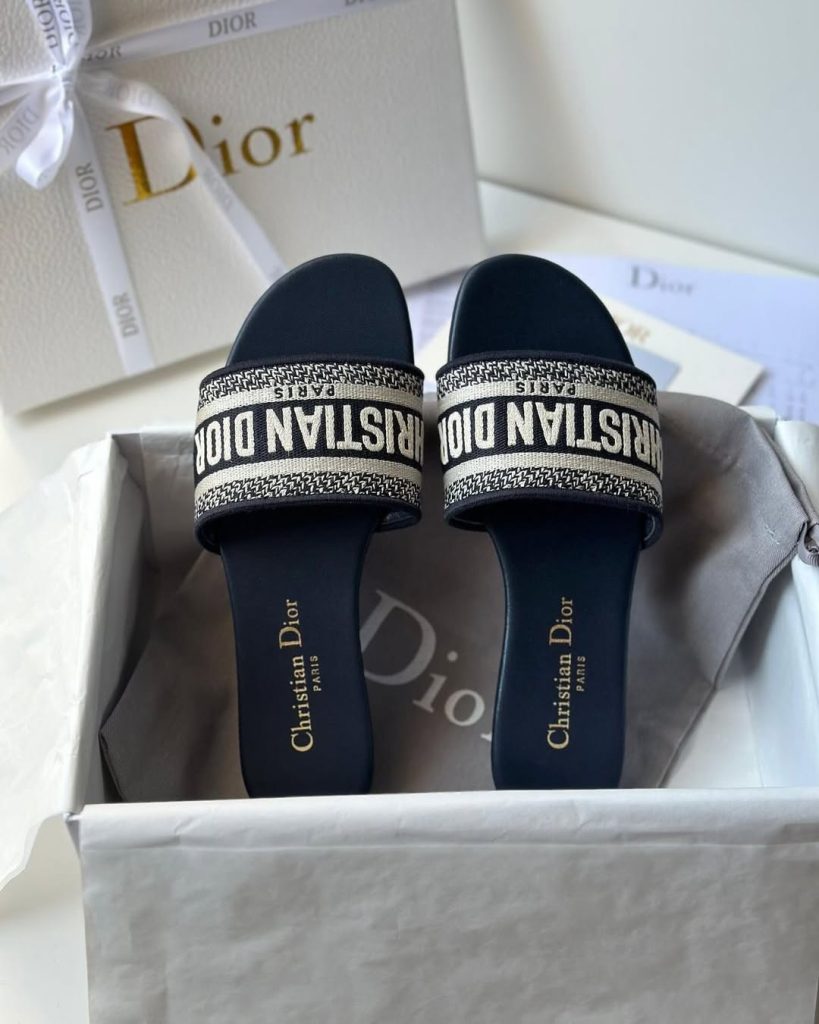
She’s walking her dog in Dior slides. Sipping iced matcha through a glass straw. She has Pilates at 7am and still makes it to Soho House by sunset. She doesn’t need a job. Her job is being herself, or at least a version of herself that fits neatly inside Instagram’s soft-focus universe. Or at least that’s what the memes suggest.
In Mumbai, she’s the Bandra Girl. In New York, she’s the Brooklyn Girl. On the internet, she’s everywhere.
The Bandra Girl began as a joke, a shorthand for a very specific kind of girl with a very specific kind of privilege in one of Mumbai’s most gentrifying neighbourhoods. But like most jokes the internet finds useful, she didn’t stay contained. She spread. The caricature softened, flattened, and then hardened into something else entirely.
But that shift matters more than one thinks. Because the Bandra Girl is no longer just someone we laugh at. She’s someone we recognize, replicate, and sometimes even aspire to. A soft-lit fantasy of privileged urban womanhood that feels effortless and endlessly watchable.

Why does she go viral? Why do we keep reproducing her in memes, reels, Pinterest boards, and lifestyle content? Why is there a Bandra Girl and a South Delhi Girl and a Brooklyn Girl, but no Nalasopara Girl, no Vikhroli Girl, no Bronx Girl?
The answer has less to do with humour and more to do with how platforms reward familiarity.
Algorithms are built to amplify what is instantly legible and widely palatable. The Bandra Girl fits that slot perfectly. She’s stylish but safe. Privileged but non-threatening. Posh, yet familiar enough to feel attainable.
Repetition does the rest. The more recognizable the archetype becomes, the more the algorithm rewards it. Familiarity turns into circulation, and circulation into desirability. Over time, what began as a stereotype acquires cultural authority.
But like most internet aesthetics, this one is deeply rooted in classism.
She can be a meme because she’s also a moodboard. Her minimalism, her matcha, her quiet (or very loud) luxury are all underwritten by money. The internet knows how to romanticize her because it already believes her life is worth romanticizing.
You don’t see memes about the Nalasopara Girl because the internet doesn’t know how to aestheticize working-class femininity. It doesn’t know how to filter it into something aspirational. This is why the Bronx Girl aesthetic on TikTok is overtaken by the Brooklyn Girl look, even though both are real places, full of real women. One fits neatly into vintage lenses, curated mess, and algorithmic warmth. The other doesn’t fit that fantasy.
Every global city produces its own version. The Shoreditch Girl. The Marais Girl. The South Delhi Girl. These figures aren’t real women so much as cultural shorthand. They help platforms learn what ‘cool’ looks like, what desire looks like, what a commodified version of womanhood should resemble.
And when culture is built through curation, only certain lives survive the edit. The kind that looks good in natural light. The kind that can be parodied without discomfort. The kind that doesn’t ask for too much space.
That’s what makes the Bandra Girl more than a punchline. She isn’t a real person, and she isn’t a villain. She’s a composite, shaped by repetition and reward.
What began as a joke has acquired authority. Not because it’s the most accurate representation of urban life, but because it’s the easiest one for the internet to recognize, amplify, and sell.
The Bandra Girl doesn’t reflect who we are. She reflects what platforms know how to see, what advertisers know how to package, and what culture has learned to reward.
Everything else remains present.
It just doesn’t make the edit.





Leave a Reply