

You’ve probably seen it before, perhaps at a family wedding or on one of those inevitable afternoons spent sifting through your mother’s old sarees. Nestled inside a fading velvet box is a necklace: heavy, intricate, and unmistakably gold. It might have belonged to your grandmother, who wore it on her wedding day before passing it on to your mother, who cherishes it for the memories it holds in addition to its karat value. Because in India, gold has never been just adornment — it’s emotional security shaped into metal.
In a culture where daughters traditionally leave their family home after marriage, jewelry has been one of the few forms of wealth that is supposed to remain entirely theirs. Gold becomes a safeguard you can wear in joy and sell in crisis, a portable inheritance passed through generations.
That emotional weight has been put to the test in recent years. In 2024, gold prices in India smashed records, crossing ₹1 lakh per 10 grams for the first time — hitting ₹1,01,350 — amid a mix of global uncertainty, inflation, and currency volatility, and they stayed close to that peak into mid-2025. Yet instead of dampening enthusiasm, demand remained unshaken. This steep rise held true even in 2026, up until the government doubled the customs duty on gold, in an attempt to reduce forex — much of India’s gold is imported.
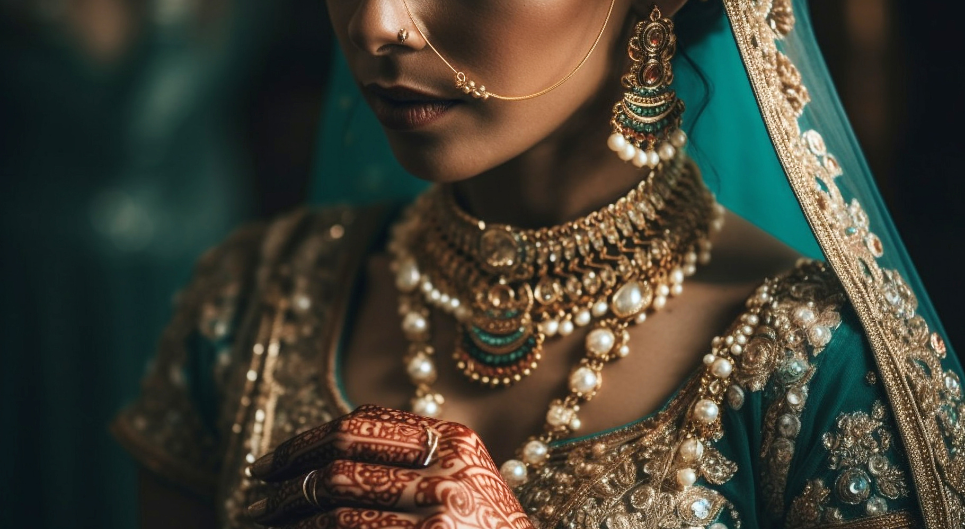
In the West, a diamond might say ‘forever’, but in India, gold says ‘for every moment that matters’. It is woven into the rituals that mark life’s milestones: newborns receive tiny bangles, brides in Kerala are layered in kilos of gold, and during Diwali, shopfronts glitter with coins and chains. Across the country, a woman’s jewellery is her streedhan — legally and culturally hers, even after marriage. And for generations, this was the only wealth women legally controlled. Asia now accounts over half of global gold jewelry demand, with India among its biggest drivers.
This bond with gold isn’t only symbolic. It’s practical. In rural and semi-urban India, gold loans remain one of the fastest, most trusted ways to raise cash — no paperwork, no questions. A single bangle can cover school fees. A pair of earrings can fund surgery. The Reserve Bank of India notes that gold-backed loans form a significant share of short-term liquidity in the country. Even the smallest piece — a nose pin worn by a domestic worker, a threadbare bangle on a labourer’s wrist — is beauty, dignity and safety net.
India’s gold story is echoed across Asia. Chinese families gift gold during Lunar New Year as a blessing for prosperity, and Vietnamese weddings often include gold jewelry, symbolizng stability and honour. Across the region, gold isn’t just ornament; it is security, inheritance, and a cultural shorthand for familial continuity. In South India’s temples — from Tirupati to Padmanabhaswamy — tons of donated gold lie in vaults, much of it given not by kings, but by everyday devotees offering a sliver of personal wealth to the divine.
What’s remarkable is how this attachment to gold has adapted without losing relevance. Today’s brides may not want the heavy, rigid sets of their mothers’ era, but they still want gold — just in forms they can wear beyond the wedding day.
“I wanted something I could wear again, not just lock away,” says Zenia, 28, who paired her grandmother’s ornate gold choker with a hand-embroidered gara saree at her Parsi wedding. Instagram is now filled with side-by-side photos of brides alongside their grandmothers, the captions celebrating ‘tradition meets modernity’. Jewelers report rising demand for lighter pieces — stackable chains, coins, vintage-inspired designs — that carry heritage without feeling locked in the past. Even global luxury brands are reimagining gold through South Asian aesthetics; French maisons have introduced designs echoing filigree, jali work, and vintage coin pendants — proof that the allure travels well.
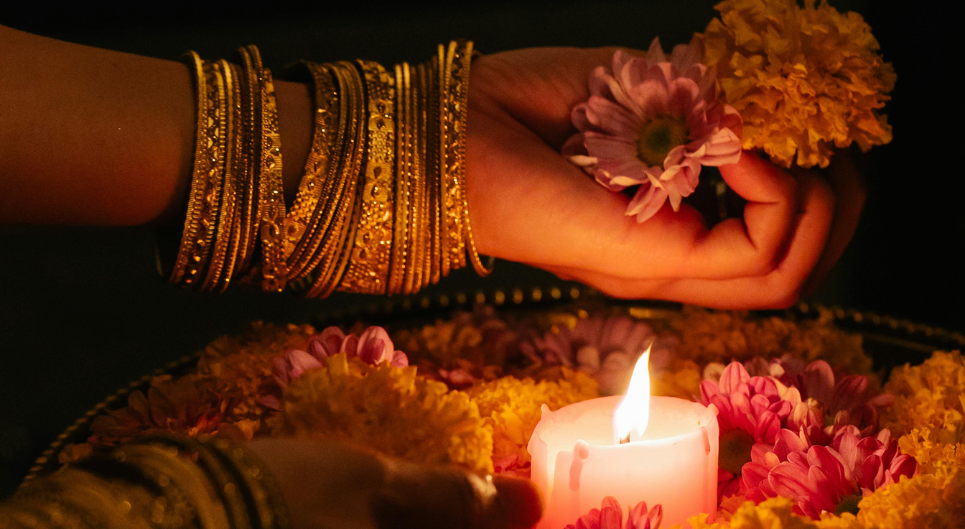
India’s households hold over 25,000 tonnes of gold — more than what most central banks keep in their vaults — a quiet sign of how deeply people here trust tangible wealth over markets or digital assets. And more than 60% of that demand still comes from weddings.
That’s the quiet truth beneath the glitter: when families pass down gold, they’re passing down more than wealth. They’re passing down memory, meaning, and a promise that some things — no matter how the world changes — will always hold value.




Leave a Reply