

Twenty years ago, India was at the cusp of change, particularly in the beauty and luxury space. International heavyweights such as Chanel, Jimmy Choo, and Gucci were entering the country, transforming luxury retail. Estée Lauder Companies also entered the scene around the same time, with its first MAC cosmetics store opening in Mumbai in 2005. Simultaneously, the Indian economy was booming. India was recording GDP growth at a pace reportedly second only to China, giving Indian consumers the joy of spending on products that had previously been out of reach.
Indian brands, too, were preparing themselves for a surprise takeover.
One such brand was Lakmé, part of Hindustan Unilever Limited (HUL), which benefited from both its heritage and a deep emotional connection with Indian consumers. Named after a 19th-century French opera, Lakmé was, in fact, the jewel in HUL’s crown. It had strong brand equity, category-leading innovation, a disproportionate market share, and enviable unit economics. At one point, it was the country’s largest manufacturer of lipstick and foundation, generating margins of 75–80%, compared with 30–50% across many of HUL’s more traditional FMCG categories.
It had iconic products, from long-wearing lipsticks manufactured in Italy by Intercos to kajal pencils made by the German manufacturer Schwan-STABILO. It had India’s most recognizable supermodels as its ambassadors. We also had Lakmé Fashion Week, one of the country’s most influential fashion platforms.
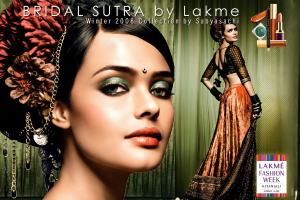
Lakmé was racing towards becoming India’s first truly global beauty powerhouse. But the view from the Anglo-Dutch board of Unilever seemed to be that Lakmé only deserved its status as a local jewel and did not have the legs to stand alongside global brands such as Revlon (now bankrupt), Maybelline, or L’Oréal. There simply wasn’t a belief that an Indian beauty brand could command the same cultural distinction internationally.
With hindsight, the brand had everything going for it, except conviction and confidence.
The truth is that while leadership at brands like Lakmé was hugely ambitious, their mental model of a prestigious global beauty brand was still overwhelmingly Western. Paris, London, and New York enjoyed a kind of legitimacy that Mumbai and Delhi did not. Imported products signaled aspiration, and even Indian businesses had internalized some of those assumptions.
In 2026 though, India is being viewed as one of the world’s most exciting consumer economies for beauty and luxury. In March, Estée Lauder Companies took full ownership of Forest Essentials, cementing its conviction in the enduring appeal of Indian luxury beauty. Not long before that, Unilever Ventures doubled down on the category, leading a $3 million seed round in clean fragrance brand Secret Alchemist. Elsewhere, newer entrants such as Korea-inspired ClayCo and boutique, influencer-led brand Inde Wild have continued to attract attention and capital.
Several factors have contributed to India’s growth story. Key among them are rising consumer literacy, increased disposable income, and improved supply chains, all of which have given Indian brands an edge.
The Indian beauty consumers we encounter today are a far cry from the ones we spoke to during Lakmé’s heyday. They are increasingly sophisticated and can discuss ceramides, peptides, barrier repair, retinoids, skin cycling, and trends with a fluency every bit as global as that of their counterparts in the West. They discover products simultaneously through Instagram, Reddit, dermatologists, creators, Nykaa, and other platforms. Their reference set is no longer simply Indian versus foreign. It is the best product they can find, wherever it comes from.
The supply side has also transformed.
A couple of years ago, I began building a beauty business in India and was advised more than once that, to retain a premium positioning, I should manufacture internationally. The implication was that Made in France or Made in Korea would somehow be more desirable than Made in India. But the brand had already been conceived in the UK, and I had years of experience with both British and European manufacturing capabilities. I felt confident in questioning these negative stereotypes, and I was glad I did.
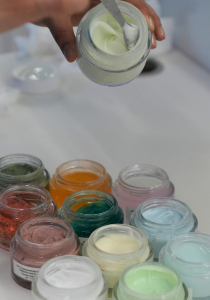
My team and I vetted several global manufacturing facilities and ultimately decided to manufacture in Mumbai, which was better for our carbon footprint, too. Nothing I saw in India led me to believe we were in any way inferior to the entrepreneurial ecosystems elsewhere. In fact, quite the reverse — India has some of the best scientists, clinical-testing laboratories, manufacturers, packaging suppliers, digital agencies, and home-grown beauty brands.
The biggest shift, however, has been a psychological one.
India is ushering in a moment wherein when both Indian entrepreneurs and consumers no longer see themselves at the periphery. This shift is now tangibly reflected in how they present themselves. They don’t shy away from wearing their culture on their sleeves. That confidence is apparent in segments well beyond beauty, including technology, fashion, wellness, hospitality, food, design, and independent creative businesses.
They have evolved into more nuanced versions of what global Indian culture can be: not quite desi, not Western either, perhaps sitting somewhere in the middle.
The first generation of Indian brands seeking global relevance often had to translate themselves for an international audience. The emerging generation appears increasingly comfortable doing something more original: building from an Indian point of view without making its Indian-ness the entire point. They have become the new coveted sweet spot for consumers and investors.
The challenge now is converting that confidence into enduring institutions and brands. Global relevance in beauty will take more than a handful of successful international launches or strong domestic scale. It requires distinctive intellectual property, thoughtful product and design, a point of view that can resonate beyond the home market, and the discipline to build over decades rather than through opportunistic funding cycles.
New India is definitely coming into its own. We are no longer operating within a beauty or cultural ecosystem defined or gate-kept by the West. We are creating our own ideology, with over a billion upwardly mobile customers to speak to.
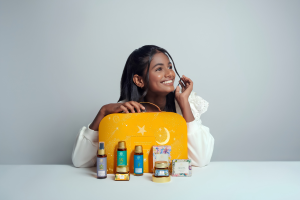
Most importantly, we are moving from being a market that global culture comes to towards being one of the places global culture increasingly comes from.
The question, then, is not whether India can produce the next generation of globally relevant brands. The question is how we capitalize on this moment.
The author worked as Senior Brand Manager, Colour Cosmetics and Skincare at Lakmé, Hindustan Unilever, and then as Director at Dove and Lumene. She is the founder of British clean skincare brand Plenaire, which recently launched in India.



Leave a Reply