

There was a time when visiting Indian museums was a drag.
Many were dimly lit. The signboards were barely legible, and even the most basic presentation of art or antiquities wasn’t cohesive. The complaint was that India never had a proper museum-going culture. But were the museums worth going to?
“The big challenge was not just to draw people in, but also engage them so they come again and bring friends along,” says Sabyasachi Mukherjee, director of Mumbai’s Chhatrapati Shivaji Maharaj Vastu Sangrahalaya (CSMVS), formerly the Prince of Wales Museum. After all, cultural spaces need large numbers of visitors for their survival and to assert their cultural significance.
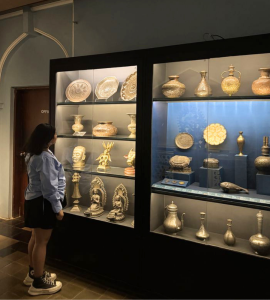
For years, museums tried to make themselves more accessible.
A decade ago, as digital technology grew more affordable, they began introducing interactive elements. CSMVS was one of the pioneers. In the early 2000s, viewers could read more about an artwork, or even zoom in to see an object’s details on digital kiosks. Some stations offered quizzes and simple games.
But it wasn’t enough. They still had students and rural tourists coming in, but the urban locals stayed away, buying expensive tickets to visit museums and exhibitions abroad, but not in their own cities.
The big change came about five years ago. The Van Gogh 360° exhibition traveled across cities. People complained that the digital presentation was not at par with a similar show abroad; nevertheless, they still queued up for it. People were hungry for such experiences, and happy to pay the (relatively high) price of the ticket. Art spaces took note.
The pandemic accelerated the shift. Covid-19 made even the old-schoolers realize that it was time to engage and interact with audiences to help draw in the crowds and, importantly, to gain repeat viewers. Equally significant, museums had to give the digital generation something that was Gram-worthy and had a gripping story. A static work on a wall would not cut it anymore.
Digital technology and social media changed museum and gallery programming, but so did the influx of several private museums designed as immersive spaces. They opened with giant screens, 360-degree projections, online archives and art lessons. As the corporations and collectors behind these places vied to establish a social legacy, art programs became more dynamic, immersive, interactive and interesting. The private spaces pushed more, perhaps thanks to better funding and more autonomy.
The Museum of Art & Photography (MAP) in Bengaluru and Goa’s Serendipity Arts Festival floated the idea of art dates. Art is an easy conversation starter, after all. The Kiran Nadar Museum of Art (KNMA) also has a special ‘dine-in with your favourite work of art’ feature on its roster. Its weekend music gigs — pop, rock, indie, fusion — are big hits with Gen-Z.
Just last month, Nature Morte hosted an ‘Artcade Night’. A game designer created games that complemented the Dear Tiger exhibition by contemporary artist Zimbiri. It was sold out in a couple of days.
On the other end is Sarmaya. They invite Arabic calligraphers and coin collectors to hold workshops and talks. They also have ‘networking over art’ events.
These spaces are also building communities of like-minded people, of all those who turn up every week for Art Night Thursdays in Mumbai or Defence Colony art evenings in Delhi.
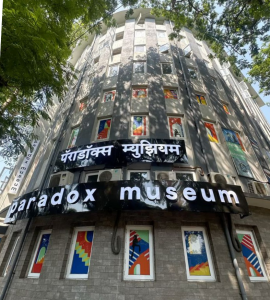
And this may be the biggest change. Museums and galleries are no longer simply places to look at things. They are becoming places to meet people, learn something new, spend an evening, discover a new artist or simply have a conversation. Art is becoming part of a social life.
It took India some time, but we finally understood that heritage isn’t just preservation; it’s participation.
Because when people participate in heritage and art, they appreciate its value, which, in turn, promotes its upkeep and builds a robust infrastructure. A museum needs more than a collection. It needs an audience that cares about the collection.
We finally have well-lit displays, legible labels and, perhaps most importantly, the beginnings of a museum-going, gallery-hopping culture. The museum is no longer somewhere you have to go. It is somewhere you might actually want to.

Leave a Reply