

For most of urban history, waiting was the one thing everyone shared. Passengers stood in the same lines, commuters sat in the same rows of plastic chairs, and departure boards dictated the same uncertain rhythm for everyone. That uniformity is beginning to fracture.
Today, waiting is no longer just something to get through. It is something increasingly shaped, designed, and, in many cases, sold. From airport lounges bundled with premium credit cards to metro systems introducing controlled waiting zones and amusement parks replacing queues with timed entry, the pause before movement is becoming a managed experience.
What used to be a neutral stretch of time is now one of the clearest indicators of access, infrastructure, and intent. If you want to understand how movement works today, it helps to look at how the world waits.
The new architecture of the pause
The contemporary airport lounge didn’t begin as a cultural symbol. Early airline lounges were exclusive spaces designed for premium passengers, offering comfort, privacy, and status. Over time, they expanded and softened, becoming more widely accessible through credit cards, memberships, and loyalty programs. Today, it is one of the most recognizable interiors on the planet. Airlines and credit-card companies market it as an experience. Carriers like Emirates and Singapore Airlines design their lounges as extensions of their brand, with curated dining and quiet zones. At the same time, credit-card networks like American Express have expanded lounge access through their Centurion Lounges, positioning waiting itself as a premium benefit.
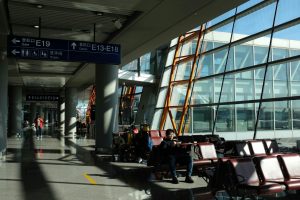
With its comfortable seating, muted sound, controlled temperature, and a manufactured sense of calm, these spaces are designed to interrupt the chaos outside and offer a curated pocket of time. It’s almost as if it’s telling you to step briefly into a world where nothing demands your attention (except, of course, finding your gate).
Homes and offices around the world now borrow the same visual vocabulary with curved sofas, diffused lamps, and warm neutrals. Airport lounge style has become one of the fastest-spreading interior trends globally. The idea is not to mimic an entire airport, but to recreate the emotional tone of one particular room within it. What it signals is control. People are not trying to fill waiting time, but to shape how it feels.
Waiting as design
Across cities, the blueprint of waiting is being rewritten. In metros and subways, platforms are becoming cleaner and better lit, with designated waiting zones, leaning rails, screens, and soundscapes designed to reduce stress. In train stations, modernization has taken the form of lounges, rest pods, charging kiosks, and temperature-controlled waiting areas. In airports, waiting is a choreography of experience from the moment you enter the terminal to the moment you reach your boarding gate.
Even amusement parks have reimagined waiting. Disney’s Genie+ system and virtual queues at parks like Disneyland and Universal Studios stagger entry times and replace physical lines with timed access. Attractions now include interactive corridors and pre-show environments, turning the wait into part of the experience.
India’s hybrid waiting culture
India is one of the few places where two modes of waiting coexist so visibly. On railway platforms, waiting is communal. People sit in clusters, vendors weave through the crowds, and time moves with a kind of ambient rhythm. Yet, at the same stations, IRCTC executive lounges now offer curated silence, plush chairs, and filtered lighting. Metros in Delhi and Mumbai have introduced premium waiting zones, cleaner seating, and digital displays that provide real-time updates, reducing uncertainty and making waiting feel more predictable. This duality is as contradictory as it is revealing. It shows a society negotiating between older collective rhythms and newer aspirational ones.
But access to these designed forms of waiting is uneven. Premium lounges, fast-track queues, and membership-based spaces are often gated by cost, status, or access to credit systems. What looks like a cultural shift is also a stratification of experience, where some people wait in curated calm, and others continue to wait in noise, heat, and uncertainty.
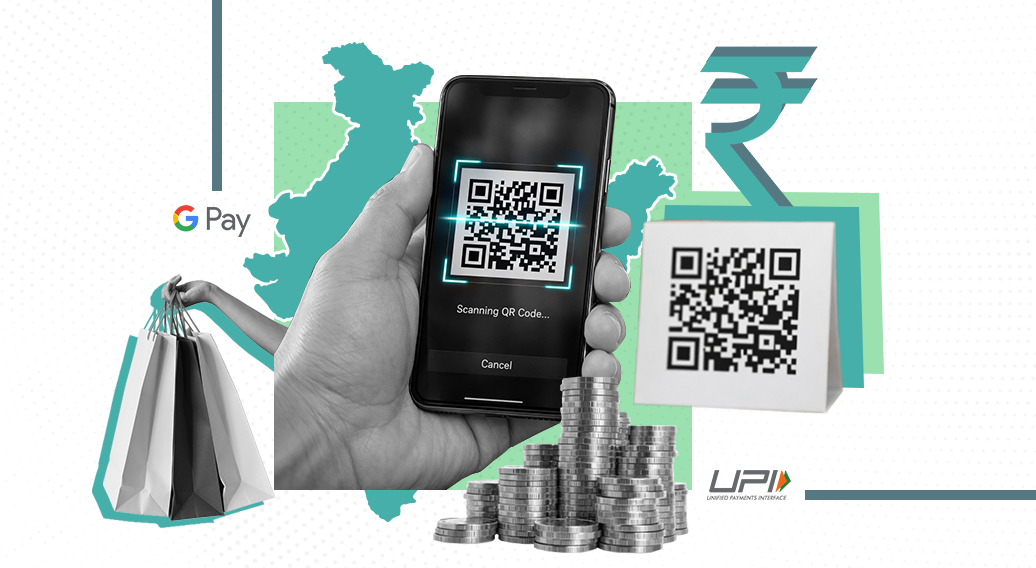
The speed of digital adoption has accelerated this shift. In India, UPI transactions now exceed 22 billion a month, reflecting how quickly everyday exchanges are completed. As payments, ticketing, and navigation move onto mobile systems, many of the small, functional waits that once structured daily life begin to disappear. What remains is not the need to wait, but the experience of it, which is increasingly shaped, designed, and, in some cases, sold.
The American contrast
American waiting spaces reveal a different story. Train stations like Penn Station and Union Station are being renovated, but they still reflect the practical, often underfunded and utilitarian spirit of public infrastructure. New York’s subway system remains largely uncurated. Airports, however, tell a contrasting tale. They have become stages for atmosphere. Lounge networks expand. Architectural overhauls reimagine terminals as calm corridors of motion. The divergence shows how waiting reflects not just design choices, but broader priorities around public infrastructure, investment, and who these spaces are built for.
When waiting becomes something you choose
As waiting became designed, it became something people began to optimize rather than simply endure. People may not choose to wait, but they increasingly choose how they wait when given the option. The shift suggests that people may not choose to wait, but they increasingly choose how they wait when given the option. Membership cultures accelerated this with their credit cards, airline apps, metro passes, and digital wallets. All of them promise smoother transitions, quieter spaces, and cleaner pauses.
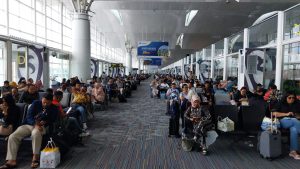
It explains why airports now compete on ambience, why metro redesigns prioritize wayfinding (clear signage and navigation) and light, why homes adopt lounge aesthetics, and why hotel lobbies resemble living rooms. Modern retail is built around ‘dwell time’. Even hospitals, clinics, and banks now redesign their waiting spaces to manage the emotional texture of the pause.
The shared global shift
The most striking thing is how consistent this trend is across continents. Doha, Delhi, Singapore, Tokyo, New York, Lagos, Dubai, each does it differently, but the underlying instinct remains the same. The world is redesigning its pauses. Time, not speed, is becoming the competitive edge.
In the coming years, the biggest questions about movement may be about not just how fast we travel, but also how we spend the time before we do. Climate, migration, digital payments, urban design, and work patterns will change how cities handle the moments between motion.


Leave a Reply